June 10, 2013

Mount Kenya: Africa's Spectacular Natural Gem

Mount Kenya, standing tall as the second-highest peak in Africa, is a marvel that encapsulates the essence of the continent's vast and varied natural beauty. Rising to an impressive 5,199 meters (17,057 ft), this extinct volcano is not just a haven for mountaineers but also a hub of biodiversity, cultural significance, and ecological importance.


1. A Biodiversity Hotspot


The UNESCO World Heritage site, Mount Kenya National Park, surrounds the mountain, offering a sanctuary for a diverse range of wildlife. Elephants, buffalo, and various primates roam freely in this protected area. As one begins the ascent, the changing altitude presents a shift from bamboo forests to alpine meadows. The Afro-alpine zone is particularly fascinating, housing unique plants like the giant groundsel and lobelia, adapted to thrive in high-altitude conditions.


2. A Spiritual Pillar for Local Communities


The mountain holds a special place in the hearts of the local Kikuyu and Meru communities. For them, Mount Kenya is not just a geographical marvel but a sacred space. They believe it to be the dwelling place of their deity, Ngai. Many traditional rituals and ceremonies are conducted with the mountain as a backdrop, emphasizing its spiritual significance.


3. A Climber's Delight


Mount Kenya is a dream destination for climbers and trekkers alike. While its highest peak, Batian, demands technical climbing skills, Point Lenana, the third-highest peak, welcomes trekkers with open arms. Popular routes like Sirimon and Naro Moru offer climbers not just challenges but also breathtaking vistas at every turn. Each trail has its own charm, presenting varied terrains and landscapes.


4. Conservation Efforts


The ecosystems of Mount Kenya face threats from climate change, deforestation, and poaching. Recognizing the mountain's ecological importance, various conservation initiatives are in place. Both governmental and non-governmental organizations are working tirelessly to preserve this natural gem. Reforestation projects, anti-poaching patrols, and community engagement programs aim to ensure the mountain's legacy is preserved for future generations.


5. Ecotourism: The Way Forward


Promotion of ecotourism is evident in the Mount Kenya region. The focus is on responsible travel that conserves the environment and uplifts the local communities. By opting for eco-friendly lodges and adhering to park guidelines, visitors can ensure their journey is sustainable. This approach not only minimizes environmental impact but also supports the local economy.


6. Beyond the Peaks: The Surrounding Wonders


The areas around Mount Kenya are equally enchanting. The pristine lakes, lush forests, and vibrant local markets offer a glimpse into the region's diversity. Engaging in bird-watching, visiting local villages, or simply relaxing in a lodge with a view of the mountain can be a soul-soothing experience.


Mount Kenya stands as a beacon of natural beauty, cultural heritage, and conservation in Africa. Its snow-capped peaks, diverse ecosystems, and deep cultural ties make it an unmissable destination. Whether you're an adventurer, a nature lover, or a cultural enthusiast, Mount Kenya promises an experience that's both enriching and unforgettable.

July 30, 2011

A Safari to Kenya - A Dream Come True For An Adventurer

Kenya Safari Packages at https://www.facebook.com/pages/Beautiful-Kenya/189326594425994

Kenya offers many possibilities for an adventure loving traveler and endless opportunities for the same. Apart from exploring nature in a safari van, there are other options available in this beautiful land. If you are the true seeker of adventure and adrenaline, here are some of the things you could do while in Kenya.

If you love extreme water sport you can visit the Kenyan coast whose beaches are great for boat explorations. Here you can have lots of fun boating, water skiing and also wind surfing. You can also visit the fresh water lakes in the Rift valley for the same kind of fun.

If you are into white water rafting, you will find endless possibilities here and even though rafting and kayaking are new sports in Kenya, the spectacular and extensive river system available brings countless possibilities.

For those who love fishing, there are many lakes and rivers that provide great fishing opportunities and most of them have lots of flamingos and other birds which is an added bonus for the bird lovers. The Indian ocean waters in Kenya are said to be one of the best places in the world for big game fishing.

You can also consider a Camel Safari, Horse Back Safari, and Mountain Bike Safari. There are many other forms of safaris you could take and have fun and each region of the country provides a unique experience and new adventure opportunities that will turn your trip into an unforgettable experience.

May 1, 2011

Going To Kenya On Safari

A Tour in Kenya can be one of the very memorable and most exiting experiences you have ever had. If you are thinking of going on an African tour, then you can be sure that you will not regret making Kenya as your choice. You want to make your safari a tour of a lifetime and because Africa is very far from say North America, it may be a trip made only once in life.

Travel from North America approximately lasts three days which is inclusive of all the time that will be spent at other airports stops. Safari is a swahili word for a long trip.

Nairobi (Masai word for place of cool waters) is Kenya's Largest. It is a big, modern city which is also a major commercial hub. Tourism and agriculture are some of Kenya's biggest

income earners. Kenya exports Tea, Coffee and also flowers. Kenya's climate is one of the best worldwide and is usually hot and humid at the coastal areas, temperate inland and pretty dry in the northern and northeast areas. Kenya has lots of sunshine throughout the year and therefore people wear summer cloths all year round. You will however experience cool weather in the nights and mornings.

The currency used in Kenya is the Kenyan Shilling written as Ksh or with a =/ after the amount. The highest Kenyan currency denomination is 1000 shillings and there are notes of 1000, five hundred, 200, one hundred and fifty. The coins used are of Ksh 1, 5, 10, 20 and also the new 40 shilling coin which is not very widely used. People travel to Kenya because to its beauty, Vast animal species and cultural aspects. Known as the republic of Kenya, the country is on the equator and has a long coastline at the coast along the Indian Ocean .

Kenya has some of the best parks and game reserves in worldwide and is one of the few places

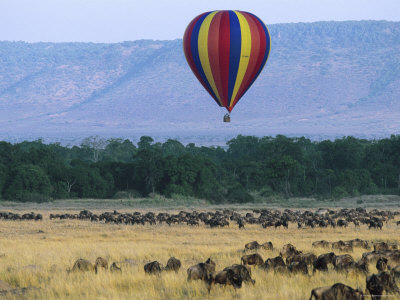
you can visit to see the great migration which takes place every year and is where some wild animals migrate to neighboring countries and come back at some other part of the year. One of the very famous migrations is the wildebeest migration where these animals have to cross a river infested with crocodiles and hippos to get to their destination. The best place to see the great Migration is the Masai Mara game reserve in Kenya in mid August to mid September. The Masai Mara has admittance and camping fees but if you are with one of the various available safari tours, the cost is usually inclusive of everything you do and everywhere you go. Among the animals you can see at the Mara are Lions, Leopards, Cheetahs, Zebras, Rhinos, Elephants, Wildebeests and many more.

When in Kenya, you can be sure to find all sorts of accommodation from cabins, cottages (modern and traditional) and even big hotels with all the modern facilities can find in any part of the world.

April 11, 2011

The Aberdare Mountain Ranges


With heights of upto 13,000 feet, the Aberdare mountain ranges also have deep valleys with small streams, rivers and waterfalls. The Aberdare mountains are located in the central highlands of kenya and in the old days, the mountains were also said to be one of the homes of the Ngai, the Kikuyu God.


In the year 1950, the aberdare National park was created mostly to protect the forest and slopes of the mountain and create a safe home to the many species of animals that reside there. Some of the animals that can be found here are Lions, elephants, leopards and even the bongo antelopes among many others.


The other attraction are the lodges of the aberdares. Treetops and The Ark are built above the ground near waterholes and visitors can actually watch the animals from their rooms. If you want to travel to either The Ark or Treetops, you would need to book in advance as you are not allowed to go there with private vihecles. For visits to the Ark, you would need to check in at the Aberdares country club and Outspan Hotel in Nyeri county for a visit to the Treetops from where visitors are transported to their respective lodges by bus.


As a local tourist, I got the chance to visit the Ark last month and I must say that the experience was out of this world. Again as I said in my earlier posts, this beautiful country has so much to offer in terms of tour and safari, nature, wildlife, culture and more and a safari to Kenya would be on of the best travel choices you ever made. For more information on the Aberdare Mountain Ranges please visit http://www.go2africa.com/kenya/aberdare-national-park

April 5, 2011

Hell's Gate National Park

Hell's Gate National Park which is situated south of Lake Naivasha, in Kenya, northwest of the capital city Nairobi. The park consists mainly of savannah ecosystems and habours a variety of wildlife. Some of the species frequently seen are lions, leopards and cheetahs. There are over 100 species of birds in the park, including vultures, Verreaux eagles, augur buzzards and swifts. African buffaloes, zebras, antelope, antelope, Thomson's gazelles and baboons are common. The park is also home to antelope, Klipspringer and Mountain Reedbuck Chanler's.
Hell's gate Naivasha
ACCESS By car: The park is accessible by paved road from Nairobi (90 km) via Naivasha, in the city of South Lake Road in the south of junction 5 km from Naivasha By plane: Naivasha airstrip
PARK GATES The main gate Elsa Puerta Olkaria
SIZE / POSITION 68 Km2. Naivasha, Rift Valley Province
WEATHER Temperatures range from 20 to 300 ° C and rainfall of 200 mm - 700 mm Two rainy seasons: the rainy season - March / April and the short rains - November / December
PERSONNEL ON CALL The warden
SAFARICARD NECESSARY? Currently the park does not work in the smart card system. Admission is cash only (in Kenya shillings or U.S. $) Citizens - A valid passport or national identity card The residents - a passport and go back to the
MAIN ATTRACTIONS Elephant in Eden Aruba Dam  
MAIN ATTRACTIONS Game viewing Raptors that nest on the cliffs We may mention Gorge walk Bathrooms The Olkaria geothermal power station The Carnelley Mervyn Raptor Hide Fischer Tower Tours, nature trails and picnic areas
WILDLIFE Buffaloes, zebras, antelope, antelope, Thomson's gazelles and giraffe, babooms, Serval cat and Klipspringer antelope Prolific characteristic birds of 103 species.
ACCOMMODATION
In - Holiday Park There is no lodging in the park, although a wide range of accommodation options are available in the town of Naivasha and along Moi South Lake Road. KWS Vacation - Vacation: There are no facilities for cooking in Hell's Gate National Park. Camping facilities Oldubai camping (on top of a cliff south of the Tower of Fischer) Camping Nairburta Endchata camp (through the gorge on the cliffs of the north)   ACTIVITY OPTIONS Hiking Camping Rock Cycling Birdwatching Wildlife viewing   WHAT TO BRING WITH YOU Drinking water, picnic and camping goods if you intend to spend the night. Also useful are: binoculars, camera, hat, sunscreen, sunglasses, hiking boots and guides.

January 30, 2011

Facts about Kenya

Geography


 Kenya is Located in East Africa bordered by Uganda, Tanzania, SudanEthiopia, Somalia and on the southeast it lies along the Indian ocean.

Time Zone

The Country is in East African Standard Time zone that is 3 hours ahead of the Greenwich Mean Time and 7 hours ahead of the US Eastern Time during winter.Kenya shares a uniform timezone with neighbors Uganda and Tanzania.

Weather

Thanks to extreme geographical variations, the weather of Kenya contrasts a great deal. Nairobi is generally cool while Mombasa and the Lake Victoria region are hot and humid. And, it is shimmering hot in the arid regions of the north and northeast.

January 29, 2011

Kenya Travel Guide

From the vivid aquamarine shades of the Indian Ocean to the enchanting strangeness of the flora on the slopes of Mount Kenya, Kenya is a startlingly beautiful land.

touring kenya
Famed for its striking wildlife bounding across the acacia-studded savannah of game parks, such as Amboseli, the Masai Mara, Samburu and Tsavo, Kenya is a safari-fanatic's dream; vast national parks and reserves encompass one-tenth of Kenya's surface, spanning desert, grasslands and dense mountain forest.

Kenya's human population is equally as fascinating: around 40 different tribes live in Kenya, including the Kikuyu, the Luo and the proud and beautiful red-clad Masai, who still lead a semi-nomadic lifestyle of cattle-herding along the southern border.

On the balmy Swahili coast, African and Asian culture blends together, the result of a tradition of ocean-going commerce which stretches back for centuries. Even today, romantic dhows (sailing boats) still ply these waters. Read more http://www.worldtravelguide.net/kenya

December 11, 2010

Visit Kenya Guide

Hi all, I have been looking for a good guide to Kenya and I found it. Whether you are planning a visit or just want to know about Kenya, you will find a guide to Safaris, Art and culture, The people and more at http://www.visitkenya.com/guide/

Tsavo National Park

Tsavo National Park (20,812 Sq. Km) - East & West Combined
At the turn of the 19th Century, few people lived in the vast scrubland of the present Tsavo National Parks. At that time the area was considered uninhabitable due to its barrenness and the presence of tsetse fly which prevented the keeping of cattle. Moreover, frequent slave raids from the coast caused general insecurity in the area so much so that by the time Colonel Patterson was posted there to build the Tsavo bridge and take over the construction of that section of the Uganda Railway in 1898, most of the scrubland had been left free for wildlife. He reported a mass of game everywhere. Other travelers through the area at that time were also impressed by the abundance of game. Game was everywhere the explorers went. Then followed the explorers with fast vehicles, firearms, and greedy markets for game trophies in Europe and Asia. This depleted game animals so much that the Kenya Colonial government initiated immediate measures to protect the remaining wildlife herds. Numerous game Ordinances were proclaimed. On the basis of these Ordinances, Nairobi National Park was established as the first National Park in the country in 1946. Two years later, Tsavo National park was established as the second wildlife sanctuary in Kenya and the largest National park in Africa and possibly in the world.

The park lies about 240 Km or halfway between Nairobi and Mombasa. It is divided into two sections for administrative purposes. The eastern section or Tsavo East lies East of the Nairobi-Mombasa Road/Railway in the country of the "Man Eaters of Tsavo", where two lions believed by the natives to be not real animals but devils or spirits or their two departed chieftains who had assumed the shapes of lions to protest the construction of the railway line through their territory and who were out to stop or destroy the progress of the construction in retaliation for the insult they had suffered. Whatever the explanation, the two man-eaters astonished everyone including Col. Patterson by the manner in which they waged intermittent warfare against the railway builders for over nine months escaping any attempt to kill them and always succeeding in snatching and carrying away a coolie or a construction worker every night they attached. They caused a reign of terror in the construction camps and eventually succeeded in bringing the whole construction works to a complete standstill for about four weeks. At last the brutes were destroyed by Col. Patterson but not until they had claimed over 28 lives of the railway construction workers. Today many of the Tsavo lions are maneless or show only a very small mane. This trait they inherited from those man-eaters of long ago, but these days they are content to kill only their legitimate prey.

The two park sections contain various habitats such as open plains, savanna land and desert scrub, acacia woodlands, rocky ridges and outcrops, hill and riverine vegetation belts covered with palm thickets.

Tsavo West National Park (9,065 sq. Km.) is made of recent volcano lava flows. Its North-Western section is on the western region . To see a series of these young lava flows (about four hundred years old) from the most recent and bare to those already well covered with vegetation is a lesson in nature’s slow process of creating life on the ground originally devoid of it. The lava mantles fearfully called "Shetani" or the Devil Mountains", absorb rain water which flows underground down the lava ridge for 40 Km. to emerge as the crystal-clear Mzima Springs. The famous springs create a home for thousands of aquatic animals especially hippos which are easily observed from the safety of an underwater observation point especially constructed for the purpose. The springs’ riverine vegetation of wild date palms, Raphia palms and acacia provide a good habitat for elephant, impala, giraffe, zebra and a host of chattering birds and monkeys. After a series of pools, the water disappears underground again to emerge as Mzima river before joining Tsavo River and providing habitats for animals before joining Athi River in Tsavo East to flow down as Galana River over Lugard’s Falls.

On the extreme south-west of the park is the beautiful lake Jipe on the border with Tanzania. The lake is fed by an underground flow from the snow-capped peaks of Mt. Kilimanjaro. It offers a spectacular bird colony with black heron and Pygmy Geese dominating the scene. Ngulia escarpment and Ngulia hills 1820m (5,974 ft.) have become a haunt for thousands of migratory birds from the northern hemisphere. The birds come there during autumn and fall seasons making the area one of the bird spectacles in the world and providing important information about the migratory routes and habits of many bird species common to the northern hemisphere.

Tsavo East National Park (11,747 sq. km) is an open dry animal wilderness with almost the same fauna and flora as Tsavo West. Its physical features are dominated by Yatta Plateau one of the longest lava flows in the world and the Athi River which starts as a small stream on the slopes of Ngong Hills south-west of Nairobi. It flows through Kajiado, Machakos and Kitui Districts before running through the park where it provides the much needed water in the dry wilderness. In the middle of the park, the river (now called Galana) disappears through a narrow rocky gorge to emerge in a spectacular waterfall called Lugard’s Falls after the first British Proconsul in Uganda who was the first white man to see the falls in 1891 when he led the IBEA’s convoy through there on the way to Uganda. The Falls form a series of pools below the rocks with sand banks where the largest colony of crocodile in both parks live. The rest of the river provides scenic drives through remnants of forests full of birds and game especially in the morning or evening at watering points.

Mudanda Rock between Voi and Manyani provides another attraction in the park. The rock forms a water-catchment area which creates a natural dam at its base. Elephant and other game come to drink in the dam during the dry season thereby creating a beautiful concentration of the mammals which can be viewed by visitors from the safety of an observation point above the dam. Another important game run in the park is the man-made Aruba Dam (85 hectares) in the middle of the hot waterless Taru Desert which is the only permanent water hole in the park.

Giant baobab trees which live as long as 1,000 years, with their bulky trunks and branches resembling stumpy fingers are bare for most of the year adding to the odd appearance of these spectacular trees. The annual blossoms of acacia trees and Desert Rose after the rains form some of the biggest flora attractions in the Park.

Romantic Kenya

Kenya is known to be a place of choice for lovers and a favorite when choosing for a honeymoon destination for many. Dec 06, 2010 NEW YORK, NY – In October, Prince William proposed to long-time girlfriend, Kate Middleton, during a 10-day private safari in Kenya. The royal engagement happened in Rutundu, a remote retreat on the Northern slopes of Mount Kenya. Rutundu features two cedar-log cabins with a kitchen, open log fires, and en-suite bathrooms. The cabins offer incredible views and the quiet setting is as peaceful, relaxing, and romantic as it comes.
Kenya offers a host of options for romantic getaways. From the supreme luxury of Shompole to the rustic "star beds" of Loisaba, and the anonymity of Rutundu, Kenya, boasts an array of accommodations fit for a "royal engagement." Find a roundup of 10 magnificent properties on http://www.eturbonews.com/19920/top-10-places-royal-engagement-kenya

December 10, 2010

The Maasai Mara National Reserve

Maasai Mara (Masai Mara) is known as Africa’s Greatest Wildlife Reserve, situated in southwest Kenya. Famous for the abundance of lion, the Great Wildebeest Migration and the Maasai people, well known for their distinctive custom and dress, it is without a doubt Africa’s most famous safari destination.

Maasai Mara National Reserve stretches 1,510 sq km (580 sq miles) and raises 1,500-2,170 meters above sea level. The terrain of the reserve is primarily grassland and riverine forest with clumps of the distinctive acacia trees. It’s about 270 km from the capital city Nairobi and takes about 5-6 hours by road or 40-45 minutes by flight. For a full guide on the Maasai Mara visit http://www.maasaimara.com/

Welcome to Kenya.

A Kenyan by birth, I'm still amazed by how much there is to see and know about this magical country. The Republic of Kenya is a country in East Africa, made up of 42 different ethnic tribes. Lying along the Indian Ocean to its southeast and at the equator, Kenya is bordered by Somalia to the northeast, Ethiopia to the north, Sudan to the northwest, Uganda to the west and Tanzania to the south. Lake Victoria is to the southwest and is shared between Kenya, Uganda and Tanzania. Kenya has numerous wildlife reserves, containing thousands of animal species.
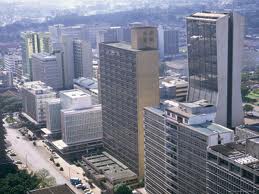
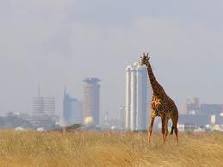
Nairobi, city, capital of Kenya, in Nairobi District, situated at an elevation of about 1660 m (about 5450 ft) in the highlands of the southern part of the country. Nairobi is Kenya's principal economic, administrative, and cultural center and is one of the largest and fastest growing cities in Africa. Nairobi is the only city in the world that has a National Park, Nairobi National Park is a large wildlife preserve on the outskirts of the city, and is a major tourist attraction. Other points of interest include the National Museum of Kenya, known for a display on early humans in Africa; the Parliament buildings; the law courts; City Hall; McMillan Memorial Library; the busy Municipal Market and nearby bazaar; the Kenya National Theatre; and Sorsbie Art Gallery.


Few other countries can offer as much to see and do.You will find timeless cultures unchanged by the modern world, Silver white sandy beaches fringed with palms, savannahs rich with big game, equatorial forests and snow-capped mountains, searing deserts and cool highland retreats and endless opportunities for adventure, discovery, relaxation and much more..

If are planning on touring this magical country, you will not be disappointed and if you have been here before there is always new places to go to and new things to do that will keep you coming back. The incredible diversity of landscapes, cultures, wildlife and activities mean endless opportunities...Check this Blog for more on sites and news of Kenya and travel tips and guides for Kenya.